





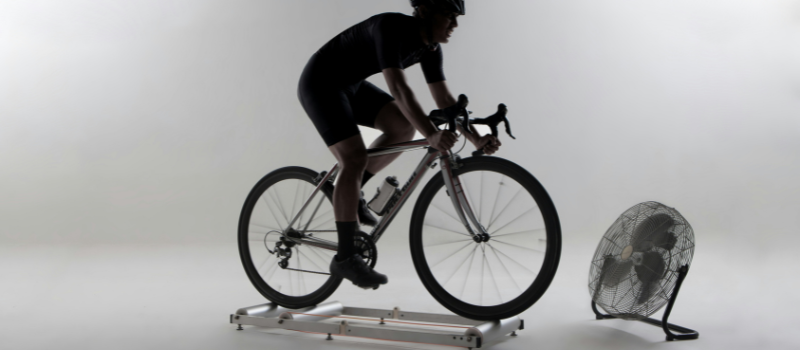
Indoor cycling is experiencing unprecedented growth. Whether it's for the convenience of training at home, the ability to pedal regardless of the weather, or the rising popularity of virtual cycling, more and more people are choosing rollers as a fundamental training tool.
However, the wide variety of rollers available on the market makes finding the ideal model an overwhelming task. At a glance, you’ll notice that there are from simple rollers for basic resistance to the most sophisticated and smart models with incline and virtual route simulation capabilities. This disparity in technology and price can make choosing the right model for you difficult, taking into account your personal needs, budget, and training goals.
That is why in this comparison of the best bicycle rollers of 2024 we will delve into the world of this indoor training technology. You will discover what the types of bicycle rollers from the best brands (Wahoo Kickr, Elite novo, Elite Arion) are like by analyzing their key features, advantages, and disadvantages, so you can make an informed decision.
What is a bicycle roller and what is it used for?
Before exploring the different types of bicycle rollers available, we want to explain in detail what this device is. It is a device that will allow you to train at home or in an indoor space by fixing the bicycle, allowing the wheels to spin as you pedal. Unlike a stationary bicycle, the roller uses your own bicycle to offer a more natural riding feel, allowing its use for both indoor and outdoor training.
There are several types of rollers, each with its own characteristics and levels of complexity, which sometimes makes the choice not so easy and depends largely on your needs and goals as a cyclist.
It is worth noting that the main function of the bicycle roller is to provide a platform for cycling training in indoor spaces. This is very useful, especially in bad weather, with limited schedules, or when you are looking for a more controlled and structured training. In this sense, it is important to know that the roller offers a number of significant advantages compared to outdoor training options:
- Structured training: It allows following a specific plan controlling the intensity and duration of the exercise precisely. Many modern rollers integrate with apps or virtual training platforms to offer access to guided sessions, virtual routes, or performance analysis.
- Greater safety: It eliminates risks associated with traffic, road conditions, or possible outdoor accidents, especially in areas with limited road safety.
- Flexibility: Training can be done at any time, without depending on weather or the availability of suitable routes.
- Technique improvement: Trains in a controlled environment where you can focus on pedaling technique, posture and movement efficiency.
Those are some of the advantages this device offers for home training. But as we have seen, bicycle training rollers come in different types, each with its own characteristics, advantages, and disadvantages. Below we will describe the four main types and everything you need to know about them.
Balance roller for bicycles to get started
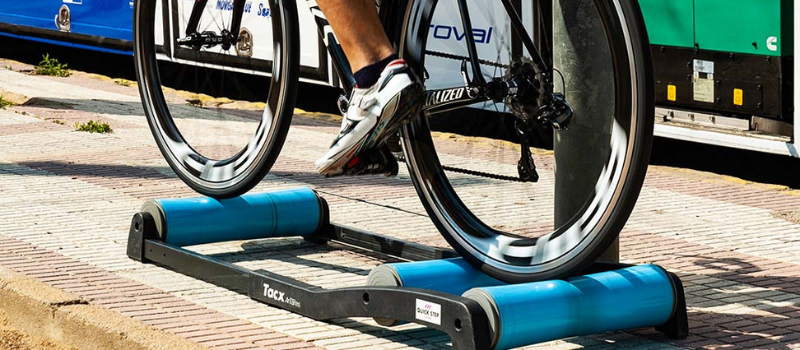
The balance roller, or roller with cylindrical rollers, is the most basic and affordable option you’ll find on the market. It consists of three cylindrical rollers, usually two large at the back and one smaller at the front, where the front wheel of the bicycle rests. The rider must continuously maintain balance, which requires good coordination. The resistance is produced by the friction between the tires and the rollers.
It is characterized as a lightweight device, easy to transport and store, and is more affordable, although it does not offer power measurements or advanced features.
- Advantages: Economical price, easy to transport and store. Excellent for practicing balance and coordination.
- Disadvantages: Requires a high level of balance and coordination; resistance cannot be adjusted with precision; trainings are less comfortable and more exhausting; not ideal for high-intensity or long-duration workouts; provides a less realistic pedaling sensation.
Magnetic cycling roller
The magnetic fitness roller uses a magnet to generate resistance. The inertia flywheel rotates near the magnet, and the magnetic force controls the resistance. The control allows adjusting the magnet’s intensity, creating different training difficulties.
This model offers precisely adjustable resistance, greater silence, and is more compact and easy to store.
- Advantages: different levels of adjustable magnetic resistance, silent training, relatively compact and easy to store. Good value for money.
- Disadvantages: Less natural resistance; low resistance can be too easy.
Fluid rollers for training
In fluid rollers, a fluid is used, typically silicone oil, to generate resistance. The rear wheel of the bicycle spins inside a drum filled with fluid, and the resistance is created by its viscosity. The faster you pedal, the more resistance is generated.
This roller provides progressive and natural resistance, is quieter, and offers a more realistic pedaling feel.
- Advantages: Realistic and smooth pedaling feel. Progressive resistance matched to your pedaling speed. Relatively quiet.
- Disadvantages: They can be more expensive than magnetic or balance rollers. Generally bulky and heavy.
Direct-drive roller
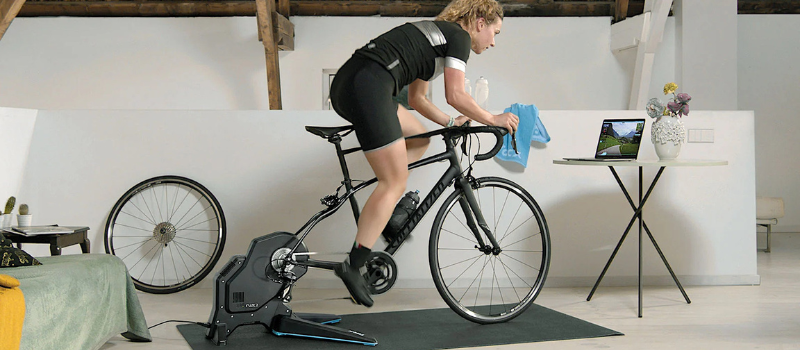
Finally, the direct-drive roller is mounted directly on the bicycle’s rear hub, eliminating the need for a rear wheel. The drivetrain connects directly to the roller, providing a realistic and precise pedaling feel. It usually offers advanced features such as power measurement and compatibility with virtual training platforms.
It is very popular because it offers greater precision in power measurement and is compatible with virtual platforms, although it tends to be more expensive.
- Advantages: Precision in power measurement. Extremely realistic pedaling sensation. Compatibility with virtual training. Greater durability and reliability.
- Disadvantages: Generally the most expensive. Require specific adjustment for each bicycle. Can be more difficult to install than other types. Often require a specific trainer wheel.
How to choose and buy an indoor cycling roller that best fits your needs?
As we have seen, there are four main types of bicycle rollers available on the market. The choice will depend on a range of key factors you should consider before making your final purchase. There is no universally best roller; it all depends on your budget, training goals, space available, and personal preferences.
Define your training goal
Before buying, define what your objective will be. Are you looking for a roller for occasional low-intensity training or for high-intensity and long-duration sessions? If you simply want to stay in shape and pedal regularly, a balance or basic magnetic roller could be perfect. However, if you’re seeking a more structured training with precise resistance control and the possibility of simulating different terrains, a fluid or direct-drive roller with handlebars could be more useful.
Consider your budget to allocate for buying the cycling roller type
Remember that roller prices vary considerably. The price range starts at a few hundred euros for basic models up to several thousand for high-end direct-drive rollers. Before analyzing options, define your budget to limit the search according to your means.
Evaluate the space available to use the fixed roller at home
Consider how much space you have available at home. Some models are more compact than others, so if you have limited space, a folding roller or one that is easy to store will be ideal. If you have more space, you could consider a direct-drive roller.
Keep in mind the noise level when using a roller
Some rollers are quieter than others. If you live in an apartment or have nearby neighbors, a quiet roller will be essential to avoid disturbances. Preferably, you should opt for fluid rollers or some high-end magnetic models that guarantee lower noise.
Analyze the technical features of the bicycle roller
- Resistance: If you prefer progressive and natural resistance, you should opt for fluid rollers. On the other hand, if you seek precisely adjustable resistance, prefer magnetic rollers.
- Power precision: If you are interested in data-based training, look for a roller with precise power measurement, such as direct-drive ones.
- Compatibility with apps and connectivity: If you’re looking for structured and measurable training, prefer a smart direct-drive roller with access to virtual training apps like Zwift, TrainerRoad or Sufferfest. Also don’t forget to verify the connectivity type offered, such as Bluetooth.
- Ease of use and setup: Some models are easier to configure than others.
Conclusion
The choice of the best smart bicycle roller will intrinsically depend on your individual needs as a cyclist. In this buying guide, we have compared the best rollers of 2024, exploring their features, advantages and disadvantages, differentiating them into their four main types.
As you have seen, on the market you’ll find models characterized by their simplicity and low cost, such as balance rollers, up to precision models with incredible realism, like direct-drive rollers.
The essential thing is that you pay attention to the key factors we mentioned in the article so you can find the ideal solution for you and that suits your training experience.