




Choosing a cross bike is not like buying any bicycle. It’s not enough that it looks good or that it has a good price. We’re talking about a type of bike that will face mud, dust, jumps, falls and the desire to improve with every ride. If you’re looking for an adventure partner that can keep up with the pace, you need more than a quick recommendation or a tempting offer.
Have you ever bought something with enthusiasm... and then realized it wasn’t what you needed? With a cross bicycle, that mistake can be costly, both in money and frustration. That’s why this guide isn’t a simple list of models or technical features. It’s a clear and honest tour of everything you should know before making the decision.
From how to identify the type of cross bike that suits you, to which details you shouldn’t skimp on, here you’ll find straight answers and real advice that can make a difference. Because when you choose well from the start, there’s no room for regret... only for pedaling harder.
What is a cross bike and why choose one?
Cross bikes aren’t for everyone. They aren’t designed for leisurely city cruising or for covering long road miles. These bikes were born for the challenge: jumps, turns, ramps, loose dirt, controlled speed, and extreme maneuvers. If you like intensity, technicality and fun, then a cross bike might be exactly what you’re looking for.
They are used in both competitive disciplines and pure entertainment, and their design responds to the demands of the terrain and the rider’s style. But before choosing one, it’s important to understand what makes them special compared to other types of bicycles.
Key features that differentiate them from other types of bicycles
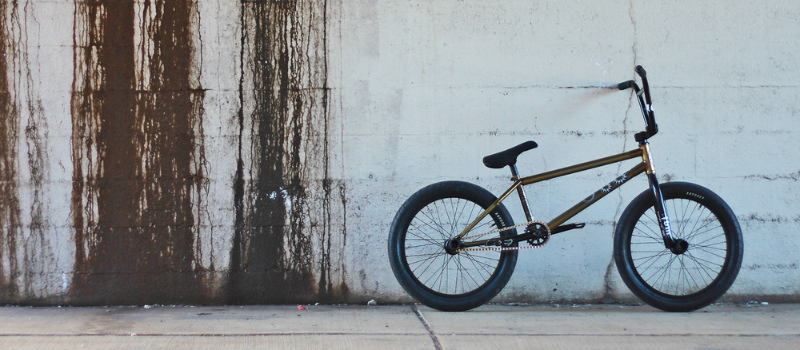
At a glance, a cross bike may look more compact or even "minimalist" compared with a mountain or urban bike. But that simplicity has a clear reason: strength and maneuverability.
Smaller and reinforced frame: usually steel or aluminum, designed to withstand impacts without compromising stability.
- Wheels from 20 to 24 inches: smaller than conventional, ideal for stunts and better control in tight spaces.
- Specific geometry: with angles that facilitate turns, jumps and balance in the air.
- No suspension (on most models): this improves energy transfer and total control over the bike.
- Specific brakes: many models feature U-brake brakes or even omit them in modalities like flatland.
These differences make a cross bike not just another bike: it’s an extension of the body for those seeking precision and adrenaline.
Advantages of using a cross bike (BMX, dirt, freestyle...)
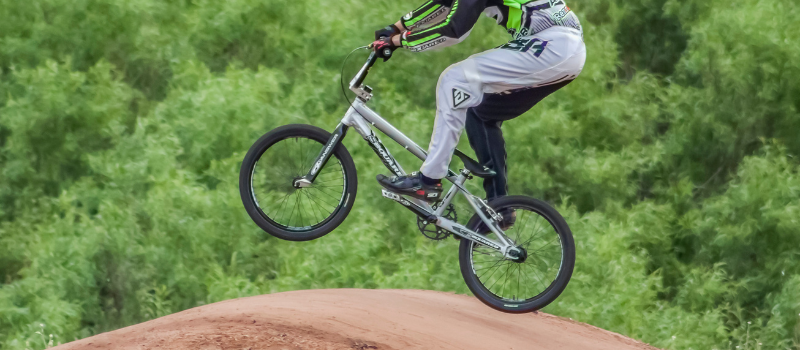
The best thing about a cross bike is its versatility within the terrain it was designed for. Whether you’re into classic BMX, dirt jump or urban freestyle, these bikes offer clear advantages:
- Lightness and control: allow you to perform tricks and complex maneuvers with greater ease.
- Durability: they’re built to withstand bumps, falls and extreme conditions.
- Accessibility: there are models for all ages and levels, making them ideal for both beginners and competitors.
- Personal style: each rider can customize their bike to taste, from the handlebar to the frame colors.
In addition, riding a cross bike isn’t just about sport. It’s a form of expression, an urban culture that connects entire communities. Choosing one isn’t just buying a bike. It’s joining a world where creativity, risk and technique coexist in every jump.
Key factors before buying your BMX cross bike
Before letting yourself be carried away by design, brand, or even others’ opinions, there’s something you must be very clear about: the best cross bike isn’t necessarily the most expensive or the most popular, but the one that suits you. And to find it, you need to consider several personal and practical factors. Analyzing your type of use, your physical characteristics and the available budget will save you headaches... and backaches too.
Type of use: urban, dirt jump, freestyle or competition
The first step is to know what you’re going to use your bike for. Within the world of cross there are different disciplines, and each has its own technical demands.
- Urban/Freestyle Street: If your idea is to use it in the city, in skateparks or improvising tricks on stairs and rails, look for a nimble, sturdy bike, with good geometry for control in tight spaces.
- Dirt Jump: For jumps on dirt ramps or prepared parks, the important thing is a lightweight frame, more resistant wheels and good stability in the air.
- Freestyle Flatland: This discipline is based on balance and precision. Bikes tend to be smaller, with pegs and a geometry that facilitates rotations.
- Competition/BMX Racing: Here speed is everything. Lighter bikes are used, with elongated frames and components optimized for track racing.
Choosing without a clear idea of this point can end up with a bike that doesn’t behave as you expect.
Age, height and rider experience
Another fundamental aspect is the rider’s profile. It’s not the same to choose a bike for a teenager just starting out as for an adult with years of practice.
- Frame size: There are sizes designed for every height. Using an incorrect size not only affects performance, it can be uncomfortable or even dangerous.
- Experience level: If you’re starting, you don’t need a top-of-the-line bike. Look for a balanced option, easy to handle, that allows you to learn without frustration.
- Age: For younger riders, there are junior or mini BMX models that fit their size and strength, without sacrificing quality or safety.
Budget: how much should you actually invest?
Here comes the question we all ask: how much does a good cross bike cost? The answer depends, of course... but there are some keys:
- For beginners: You can find decent models from €300 to €500. Do not expect high-end components, but yes a solid structure and functionality.
- Intermediate level: Between €600 and €900, you get bikes with better materials, lighter weight, and configurations more specific to the discipline.
- Advanced or competition: If you’re after real performance, extreme lightness and maximum precision, budget between €1000 and €2000... or more.
Remember: paying more is not always a guarantee of a better result. The important thing is to invest wisely, according to your goals and level. And don’t forget to leave room for essential accessories, such as a helmet, protective gear, and basic tools.
Important BMX cross components to consider
When it comes to cross bikes, every component counts. It’s not just about choosing a “pretty” bike or a recognized brand, but about understanding how each part influences performance, safety, and rider comfort. From the frame to the pedals, every detail adds up... or subtracts. Here we explain the key elements you should look at before making a purchase decision.
Frame: materials, geometry and weight
The frame is the heart of the bike. It defines its strength, its agility and, to a large extent, its weight. In cross bikes, there are two materials that dominate:
- Chromoly steel: more resistant to knocks and flexible, ideal for freestyle and dirt jump. It withstands abuse without breaking easily. That said, it can be somewhat heavier.
- Aluminum: much lighter, but also less flexible. It’s usually found on competition models (like BMX racing), where speed takes precedence over impact resistance.
The geometry also matters. Frames with shorter chainstays and tight angles offer more maneuverability and quick response, ideal for tricks. On the other hand, longer geometries provide greater high-speed stability.
Regarding weight, the lighter the bike, the better for jumps and maneuvers. But watch out: a bike that's too light and poorly built can compromise durability.
Wheels and tires: which are most suitable?
The wheels on cross bikes tend to be smaller than on other bikes, and that’s not by accident. The most common size is 20 inches, though there are also 18", 22" or 24" variants, depending on rider size and usage style.
- BMX racing typically uses 20" wheels with light rims and thin tires, to gain speed on track.
- Dirt and freestyle prefer rugged wheels, with double-wall rims, more resistant to impacts.
- Tires: there are many variants. The smoother and narrower ones offer better acceleration on hard surfaces. The wider ones with deep tread provide better grip on dirt or uneven terrain.
Make sure the wheels have good durability, since they take all the impact of jumps and tricks.
Brakes: V-brake, U-brake or disc?
Although many experienced riders prefer to ride without brakes in disciplines like flatland or street, for most it’s essential to have a reliable system.
- U-brake: the most used in BMX freestyle. It’s compact, durable and fits well on small frames. It also leaves space for maneuvers like bar spins.
- V-brake: more common on mountain bikes or recreational models. They offer good braking power, but their size can be a problem in technical maneuvers.
- Disc brake: although powerful and precise, it’s not common in BMX due to its weight and rotor location, which can interfere with tricks.
If you’re starting out, it’s better to opt for U-brakes. And if you later decide to do without them, you can always remove them.
Handlebar, pedals and saddle: small details, big difference
These components may seem secondary, but they have a direct impact on your comfort and control.
- Handlebar: its height and shape influence posture and maneuverability. Taller ones give more control in aerial tricks. The material is also key: steel bars offer more strength, aluminum ones are lighter.
- Pedals: look for wide ones, with good grip and made from durable materials. Many riders prefer metal platform pedals with pins, as they secure the foot even in aggressive maneuvers.
- Saddle: in freestyle it’s hardly used for sitting, but it remains important. There are cushioned saddles, pivotal or tripod types, designed to withstand impacts and allow greater freedom of movement.
Although small, these elements can make the difference between an uncomfortable bike and one that truly feels like an extension of your body.
Recommended brands and popular models in 2025
Once you’re clear on what type of cross bike you need and which components you should prioritize, it’s time to explore the market. In 2025, options have grown and evolved, with brands that continue to dominate the scene and new models that stand out for their innovation, durability and accessibility.
It doesn’t matter if you’re just starting or you already have experience: there’s an ideal bike for every stage. Below we present the best brands and models according to your level and goals.
Ideal models for beginners
If you’re taking your first steps in BMX or dirt jump, the ideal is to start with a bike that offers safety, balance and ease of handling, without spending a fortune.
Mongoose Legion L20
A classic for beginners. It features a sturdy steel frame, 20" wheels, U-brake brakes and basic geometry for practicing tricks with stability. It’s durable and affordable.
Sunday Primer 2025
This brand is synonymous with quality even in its entry models. The Primer is designed for young riders or novices who are looking for a bike ready to learn without compromising essential components.
Subrosa Altus 20
Light, compact and with an attractive design. Perfect for teenagers or adults who want to try freestyle without investing too much. It comes with reliable parts and adapts to multiple usage styles.
The important thing at this stage isn’t having the most technical bike, but one that motivates you to practice and that will accompany you without failures.
Best value options
If you already have some experience and want a bike that performs well without blowing the budget, there are models that offer an ideal balance between quality and cost. This is where brands have evolved the most in recent years.
Kink Whip XL 2025
Full chromoly frame, solid drivetrain and mid-range components that offer excellent performance. It’s a bike that can accompany you for years, even if your level improves.
Fit Series One 2025
One of the most recommended options in this range. It has good geometry, is sturdy and comes with components that are normally found only in higher-end ranges.
WeThePeople Nova
Although considered “entry-level”, the quality of construction and modern design place it in an intermediate range. Ideal if you’re looking for style and performance without paying more. These bikes are designed for those who already know what they want, but aren’t yet looking to compete professionally.
Bikes top for advanced riders
If you’ve been practicing for a while, do complex tricks, compete or simply don’t want to compromise anything, there are high-end models that offer precision, lightness and immediate response.
Cult Devotion 2025
One of the most valued in the BMX scene. Full chromoly, rugged wheels, high-end handlebar and fork. It withstands any abuse, and its design is simply spectacular.
Haro Lineage Team Master
This bike is a homage to iconic models from the 80s, but with current technology. Perfect for riders who combine freestyle with street and seek a retro aesthetic without losing quality.
S&M ATF BMX
Hand-built in the USA, designed for those who don't want compromises. It’s expensive, yes, but it's practically indestructible. The S&M brand is synonymous with cult status in the BMX world.
These bikes are for those who understand their machine as an extension of the body and lifestyle. Every component counts, and every detail is tuned to the maximum level.
Conclusion: the best cross bike is the one that fits you
Choosing the ideal cross bike isn’t a matter of luck, nor of following trends. It’s the result of knowing your needs, understanding your level and being clear how and where you’ll use it. It doesn’t matter if you’re just starting out or if you’ve been riding for years: the important thing is to feel that your bike responds, represents you and invites you to improve every time you hit the road.
Nowadays, the market offers options for all profiles and budgets. From basic models that surprise with their solidity, to high-performance machines designed for competition or advanced freestyle. And the best part is you don’t need to break the bank to get something good: with information and criteria, you can make smart decisions that make a difference.
Remember that, beyond the components or the brand, what matters is how you feel when riding your bike. If it inspires confidence, if it motivates you to practice and if it makes you smile after every jump, then you chose well. So take your time, compare, ask, try... but above all, enjoy the process. Because in the world of cross, the true investment isn’t only in the bike, but in the experiences you’re going to live with it.