





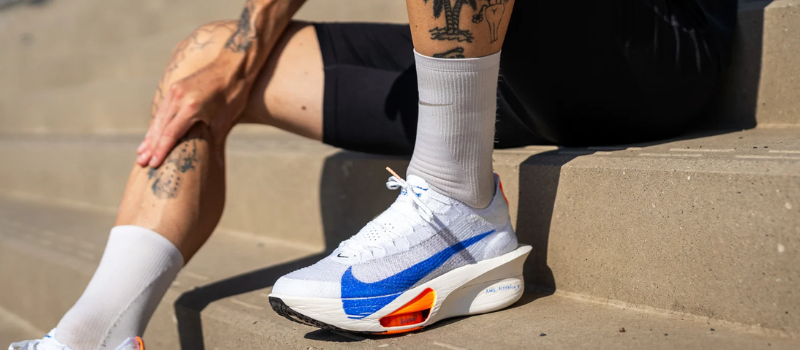
Running is not just a sport. For many, it's a lifestyle, a way to clear the mind, take care of the body and push limits. And if there’s something that marks the difference between a good running session and a frustrating experience, it’s the shoes. Have you ever felt discomfort, blisters, or simply unease when running? Probably you weren’t using the right footwear for you.
In 2025, trends in running shoes don’t just point to design, but to technology: lighter materials, greater energy return, smart cushioning and models specific for each type of foot strike or terrain. The leading brands have laid it all on the table to offer the latest in innovation... and yes, also in style.
This article will not only show you the top 5 best running shoes trending this year, but also give you clear and practical tools to know which one is ideal for you. Because it’s not just about running faster, but about running better, without injuries and with the comfort you deserve.
If you’re looking to renew your athletic footwear or take your first steps as a runner of short and long distances, you’ve come to the right place. Let’s find your perfect pair!
Why is it important to choose your running and trail shoes well?
Although it’s often overlooked, choosing the correct running shoes can make a big difference in your experience as a runner. It’s not just about looking good or following a trend; it’s about taking care of your body, avoiding injuries and improving your performance intelligently.
When you run with the right footwear, your feet, ankles, knees and even your back work in harmony. But if you use a model that doesn’t adapt to your needs, you can face consequences that go beyond mere discomfort.
Common injuries from poor footwear
The mistake of running with unsuitable trail running shoes can be costly. Literally. One of the most frequent problems is plantar fasciitis, a painful inflammation of the sole caused by poor cushioning or lack of support. Achilles tendinitis, knee pains, constant blisters and even sprains from an unstable foot strike are also common.
Many of these cases arise from ignoring key details such as foot strike type, arch support, or the level of cushioning needed according to weight and the surface where you run.
Performance and comfort: what good running shoes can do for you
A good shoe not only prevents injuries: it also boosts your performance. The current models include technologies that improve impact absorption, boost energy return and reduce muscular fatigue, allowing you to train more and better.
In addition, feeling comfortable while running is key. If the footwear fits well, breathes, and adapts to your pace and foot strike type, you’ll feel more confident and free with every stride.
Choosing well isn’t a luxury, it’s an investment in health, performance… and enjoyment.
What to consider before buying running shoes: complete guide to buying footwear
Buying running shoes isn’t simply choosing the model you like the most or the one you saw on social media. To find that ideal pair that will accompany you without causing discomfort or injuries, there are several key factors to consider. Every runner is different, and that’s why the footwear has to adapt to you… not the other way around.
Let’s review the most important points so that your choice is a total win.
Type of stride: pronator, supinator or neutral
One of the most important aspects —and most unknown to those just starting— is your foot strike type. There are three main variants:
- Pronator: the foot turns slightly inward on landing. It’s very common and natural for most people.
- Supinator: the foot tends to turn outward. It’s less common and may require specific models.
- Neutral: the foot strike remains aligned, without pronounced deviations.
Knowing your foot strike lets you choose shoes with the right support to avoid misalignments and injuries. If you don’t know which one is yours, you can get an analysis at specialized stores or film yourself running and observe the movement.
Surface you run on: asphalt, dirt or treadmill
It’s not the same to run on asphalt as on a dirt track or the gym treadmill. Each surface demands different characteristics:
- For asphalt, look for good cushioning and durability.
- For dirt or trail, you need more traction, lateral protection and treaded outsoles.
- On treadmill, since it’s a softer surface, you can opt for lightweight and flexible models.
Choosing according to the terrain improves grip and stability, in addition to prolonging the life of your shoes.
Frequency and distance of your workouts
Another essential point: how many days per week do you run? Do you do long races or only short outings?
- If you run every day or train for marathons, look for models with advanced cushioning and good durability.
- If you’re a casual runner, a more versatile and comfortable pair may be enough.
Remember that wear and tear also count: a pair of shoes typically lasts between 500 and 800 km depending on the model and use. If you pass that mark, it’s time to renew!
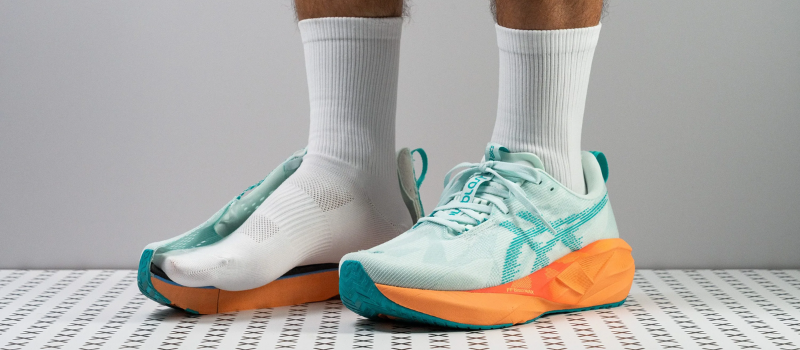
Fit, cushioning and weight: technical keys to choosing shoes suitable for your heel
Finally, there are technical factors that should not be overlooked:
- Fit: neither too loose nor tight. Leave a minimum space between your big toe and the tip of the shoe.
- Cushioning: key to absorbing impacts. The heavier your stride (or runner), the more cushioning you’ll need.
- Weight of the footwear: the lighter the shoe, the more agile your run will be. But be careful: it shouldn’t lose support or protection by being too light.
Top 5 trending running shoes this year
2025 arrived with novelties that excite any running enthusiast. The most renowned brands in the sports world have pushed further, betting on advanced technologies, sustainable materials and increasingly lighter and smarter designs. The trend is clear: combine high-level performance with comfort and style, without neglecting the runner’s health.
Below, we present the Top 5 most popular and recommended running shoes so far this year. Each model has been chosen for its innovation, functionality and excellent reception among users and experts.
1. Nike Alphafly 3
Highlighted features
The crown jewel of Nike for elite runners. The Alphafly 3 incorporate ZoomX foam, full-length carbon plate and two Zoom Air capsules in the forefoot. The upper is even lighter and more breathable than previous versions. It also features a sole that optimizes propulsion and improves energy efficiency.
Who is it ideal for?
Designed for experienced runners, especially those training for half marathons or full marathons. Perfect if you’re seeking speed without sacrificing comfort.
Approximate price
Around 260–270 €
2. Saucony Endorphin Elite 2
Highlighted features
One of the year’s big surprises. This shoe combines a new PWRRUN HG foam, ultra-responsive and lightweight, with a carbon plate in an S-shape that provides maximum propulsion. The design is performance-oriented, with a minimalist upper and an integrated tongue that improves fit.
Who is it ideal for?
Ideal for runners seeking an explosive option for race days or speed workouts. If you like that “takeoff” feeling in every stride, this is your option.
Approximate price
Between 250–270 €
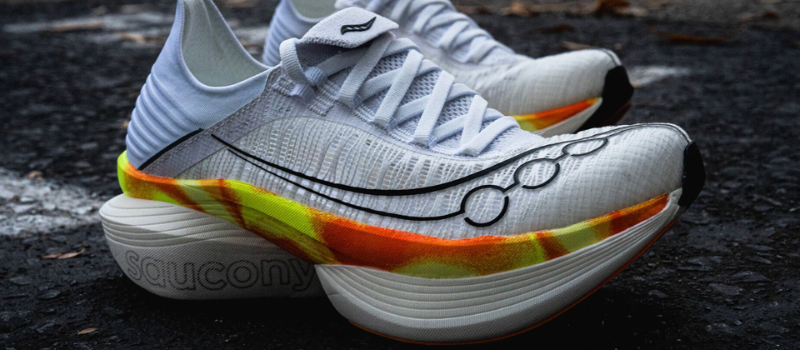
3. ASICS Novablast 5
Highlighted features
ASICS achieved an almost perfect balance between cushioning, lightness and bounce with this fifth generation of the Novablast. They come with FF BLAST+ ECO foam, more sustainable and with great responsiveness. Its redesigned geometry allows smoother transitions, and the jacquard mesh upper provides excellent ventilation.
Who is it ideal for?
Recommended for runners with a neutral gait who seek comfort on long runs and regular training. They also work very well for those who suffer from leg fatigue after several kilometers.
Approximate price
Around 140–150 €
4. PUMA Deviate Nitro 3
Highlighted features
This shoe represents PUMA’s leap into a more technical and competitive segment. It incorporates NITRO Elite foam, PWRPLATE carbon fiber plate and an ergonomic design that improves stability during running. The PUMAGRIP outsole offers impressive traction even on wet surfaces.
Who is it ideal for?
Excellent for runners who train frequently and want energy return without sacrificing comfort. It’s a good option for those starting to incorporate intervals, tempos or more demanding workouts.
Approximate price
Approximately 160–170 €
5. Nike Pegasus 41
Highlighted features
A iconic shoe that continues to evolve without losing its essence. The Pegasus 41 incorporate ReactX foam for greater durability and softness, along with a Zoom Air unit in the forefoot. Its design maintains a balance between support, flexibility and responsiveness, ideal for all types of runners.
Who is it ideal for?
A versatile all-terrain option. Perfect for beginner or intermediate runners seeking a versatile shoe for daily training, short races or even long walks.
Approximate price
Around 120–125 €
Conclusion
Choosing the right running shoes isn’t a minor detail. It’s a decision that directly influences your performance, your comfort and —more importantly— your health. With so many options available today, especially in a year like 2025 where technology advances by leaps and bounds, having a clear guide can make the difference.
Whether you’re taking your first steps in running or preparing your next marathon, footwear has to be up to your goals. Models like the Nike Alphafly 3 or the Saucony Endorphin Elite 2 are perfect for competitive runners seeking speed, while the Nike Pegasus 41 or the ASICS Novablast 5 offer versatility and comfort for daily training.
Always remember to evaluate your foot strike type, the surface you run on, your training frequency and the cushioning level you need. Taking the time to choose well not only improves your performance: it also makes running a much more enjoyable experience.