




The skin on the face not only reflects the passage of time, but also habits, stress, and the way we take care of ourselves. In recent years, a technology that once seemed reserved for dermatology clinics has found its place in homes: facial LED masks. Far from being just an aesthetic trend, these devices harness phototherapy to stimulate natural regeneration processes, combat imperfections, and improve the texture of the skin in a non-invasive way.
However, the growing interest in these devices has flooded the market with models of all kinds. Some promise almost miraculous results, others stand out for their futuristic design or for integrating multiple wavelengths. In the face of so much variety, choosing an appropriate LED mask can be more challenging than it seems. It’s not just about comparing prices or brands, but understanding what lies behind each technology, what real needs it covers, and what type of skin can benefit most from its use.
In this guide, we propose to go beyond the surface. We have gathered key information, detailed comparisons, and real opinions to help you make an informed, safe, and personalized decision. Because choosing well is also part of personal care.
What are facial LED masks and how do they work?
In recent years, facial LED masks have gained prominence in the world of skin care, both in professional settings and in the home. But what makes them so special? Beyond their striking design, these devices use a technology backed by clinical studies and increasingly present in the beauty routines of those seeking visible results without invasive treatments. Below, we explore how this technology works, what benefits it offers depending on the type of light, and what safety considerations are worth bearing in mind before incorporating it into your facial routine.
LED technology applied to skin care
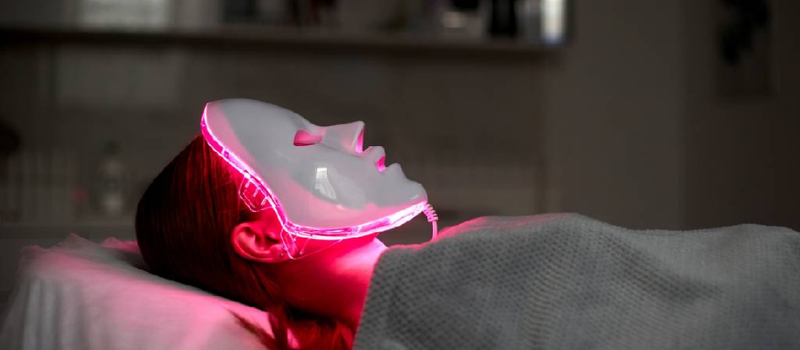
Facial LED masks are devices designed to emit different types of light through light-emitting diodes (LEDs). Although their appearance resembles a futuristic mask, their operation is based on well-established scientific principles: phototherapy. This technique uses specific wavelengths of light to penetrate the layers of the skin, stimulating cellular processes such as collagen production, tissue oxygenation, or the reduction of bacteria.
Each light acts at a different depth and serves a specific function, allowing the treatment to be personalized according to the aesthetic or dermatological goal. Unlike other aggressive or chemical solutions, LED light therapy does not generate excessive heat or damage the skin, making it an accessible and safe option for many skin types.
Benefits according to the type of light (red, blue, green, etc.)
One of the most notable aspects of these masks is their versatility. Red light, for example, stimulates the production of collagen and helps reduce lines of expression and signs of aging. Blue light, on the other hand, is effective against acne, as it acts on the bacteria that cause it and regulates sebum production. Green light is usually used to even out skin tone and reduce pigmentation or dark spots.
Some masks combine multiple colors in a single treatment or allow the settings to be adjusted in a personalized way. This variety makes it possible to treat several skin problems in the same session, without the need for additional products.
Are they safe? Myths and truths
Despite their sophisticated appearance, facial LED masks are generally safe when used correctly. They do not emit ultraviolet radiation nor cause burns if the manufacturer’s instructions are followed. However, they are not a magical solution and do not offer immediate results. The myth that “one session changes the skin completely” has led to unrealistic expectations. In reality, benefits are noticed with consistent and responsible use, as part of a broader skincare routine.
It is also important to consider the quality of the device. Not all masks on the market have medical certifications or safety standards. Therefore, before purchasing one, it is advisable to check its specifications, materials, and verified reviews.
Who are LED masks indicated for?
Although facial LED masks have quickly gained popularity, not all skin types have the same needs or respond in the same way to this type of light therapy. To get the most out of a LED facial mask, it is essential to understand which skin type can benefit the most, when precautions are advisable, and what the recommended age is to begin use. Below, we explore the ideal profiles and situations in which it is wise to consult a specialist.
Skin types and specific needs
Facial LED masks are indicated for almost all skin types. Their non-invasive action makes them an excellent option for both young and mature skin. For example, those with oily skin can benefit from blue light, useful for controlling excess sebum and treating acne. In contrast, those who want to improve elasticity and texture usually opt for red LED light, which stimulates collagen production and combats early signs of aging.
There are also light colors such as green, which are recommended for treating spots and unifying tone. Some of the best light masks on the market combine several LED colors in a single device, allowing you to customize each session according to the user’s specific needs.
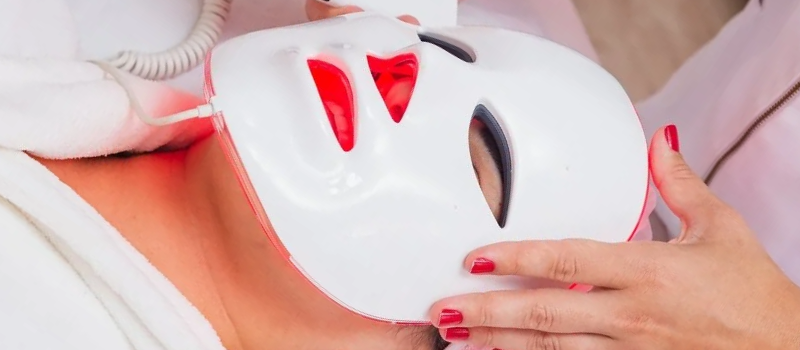
In people with sensitive skin, use should be more cautious. It is suggested to start with short exposures and lower intensity. This allows observing how the skin reacts to LED light therapy, adjusting the treatment gradually.
Contraindications and medical recommendations
Although most current LED masks have safety certifications, there are cases where their use is not indicated. People with photosensitive epilepsy should avoid these devices, as certain types of LED lights could trigger adverse reactions. The same applies to those with lupus, active rosacea, or other inflammatory dermatological conditions.
Additionally, during pregnancy it is recommended to avoid the use of LED masks for the face, unless under medical guidance. Another key aspect is to check whether you are taking photosensitizing medications, such as specific antibiotics, as they could cause irritation or hyperpigmentation.
Consulting with a dermatologist before incorporating an LED light mask into the facial routine is always good practice, especially if there are medical history factors that could interfere with treatment.
Recommended age to start using them
Although there is no official minimum age to start using a LED facial mask, it is usually recommended from around 20 or 25 years old, the moment when the skin begins to show the first signs of dehydration or loss of firmness. In teenagers with mild or moderate acne, blue light can be a useful ally if used under professional supervision.
In all cases, the important thing is to adapt the frequency, the color of the light, and the treatment intensity to the real characteristics of each skin. This helps avoid unwanted effects and achieve visible results safely and progressively.
Criteria to compare a facial LED mask
Choosing an appropriate facial LED mask isn’t always easy. In a market that is constantly growing, with models varying in price, features, and design, it is essential to have a series of objective criteria to help differentiate a reliable option from an impulsive purchase. Below are the most important aspects to consider before purchasing a LED mask for facial care.
Types of lights and wavelengths
One of the key factors when evaluating a LED mask is the variety of lights it offers and the wavelength of each. Each color penetrates to a different depth in the skin and fulfills specific functions. For example:
- Red light (630–660 nm): stimulates collagen production and improves elasticity, ideal for treating wrinkles and loss of firmness.
- Blue light (415–450 nm): combats bacteria causing acne, regulates sebum production and reduces inflammation.
- Green light (520–535 nm): helps balance skin tone, reduces hyperpigmentation and brings radiance.
- Yellow light, purple or white: in some models, other wavelengths with calming, anti-inflammatory, or general regenerative effects are also included.
The more options the device includes, the greater its versatility. However, it is important that the wavelengths are well specified and that these are not decorative lights with no real therapeutic effect.
Design, ergonomics, and ease of use
Design is not a minor detail. An LED mask can offer the best technology, but if it is uncomfortable or poorly fitted, it is unlikely to be used regularly. It is important that the device fits well to the contours of the face, is not excessively heavy, and allows freedom of movement during treatment.
Some masks come with adjustable straps, others rest directly on the face or have a glasses-like base. There are also panel-style models that are not placed on the face but allow broader and more comfortable treatments in certain contexts.
Treatment time and battery life
The time recommended per session typically ranges between 10 and 20 minutes, depending on the light intensity and the type of treatment. It is useful for the mask to have an automatic timer or to turn off by itself at the end of the cycle. This function not only saves energy but also prevents unnecessary prolonged exposures.
As for the battery, wireless models offer greater freedom, but they must have good autonomy to avoid constant charging. Ideally, a single charge should allow several complete sessions, especially if the device is shared among multiple users or used frequently.
Certifications, safety, and materials
Not all online devices meet the same quality standards. Therefore, it is essential to verify if the mask has recognized certifications, such as the CE (European Conformity), the FDA (U.S. Food and Drug Administration) or equivalent seals. These certifications guarantee that the product has undergone rigorous checks and meets safety requirements both electrical and dermatological.
In addition, the materials should be hypoallergenic, especially if the device will be in direct contact with the skin for several minutes. Avoid low-quality plastics or poorly assembled components, as these can make the difference between a safe experience and unwanted irritation.
Price and value for money
Finally, price is an important factor, but it should not be the only decision criterion. There are very affordable models that offer limited results or lack warranties. At the same time, there are mid-range devices that combine good performance, durable materials, and practical functions without reaching prohibitive prices.
Investing in a quality LED facial mask not only means achieving better results but also avoiding unnecessary risks. The goal is to seek a balance between functionality, durability, and brand support. Reading verified opinions and cross-checking experiences can help determine if a model truly delivers what it promises.
Comparison of the best LED facial masks [2025]
With the rise of light technology applied to personal care, LED facial masks have become a key element in the most advanced beauty routines. Thanks to light therapy, it is no longer necessary to go to aesthetic centers to access effective treatments. In 2025, the market offers devices with up to 600 light points, designed to deliver visible results from home. Below, we analyze five of the year’s best-rated models, based on efficacy, design, safety, and value for money.
No. 1 – Shark CryoGlow Cooling + LED Face Mask — The most complete on the market
This model has gained popularity for combining red, blue, and infrared light therapy, with a cooling system that soothes the skin, reduces swelling, and provides a calming effect. Its cold pads, especially around the eye area, turn each session into a relaxing experience. In addition, it offers different LED colors to address specific needs, such as inflammation, acne, or fine lines. The ergonomic design includes adjustable straps and a comfortable frame that facilitates use during prolonged sessions. With FDA certification, it guarantees safety in the treatment. An ideal option for those looking for a complete, high-performance LED facial mask.
No. 2 – CurrentBody Skin LED Light Therapy Mask Series 2 — Ideal for sensitive skin
This facial mask is designed with flexible silicone that adapts to the face without discomfort, allowing freedom of movement. Its LED bulb system includes three wavelengths: red light (633 nm), near-infrared (830 nm) and deep (1 072 nm), which promote cellular regeneration and improve firmness. It is an excellent option for sensitive skin, even with redness or after aggressive treatments. The light therapy it offers is gentle, effective, and suitable for inclusion in a continuous facial treatment routine.

No. 3 – Omnilux Contour Face — Best value for money
This model stands out for its comfortable and effective design. It uses LED lights in red and infrared wavelengths, ideal for reducing inflammation, improving texture, and reducing wrinkles. With only three to five sessions per week of 10 minutes, improvements in the skin can already be observed.
Its affordable price, along with clinically proven results, makes it one of the best LED masks for those seeking results without over-investing.
No. 4 – Dr. Dennis Gross DRx SpectraLite FaceWare Pro — Quick and effective
For those with little time, this LED light mask offers intensive sessions of only three minutes. It emits red and blue light colors, with combined effects on acne and wrinkles. Its rigid design maintains the perfect distance between skin and light, improving the treatment’s effectiveness.
It is an FDA-cleared LED light therapy, perfect for those wanting more even skin without long sessions or travel. Effective, fast, and professional.
No. 5 – HigherDose Red-Light Face Mask — Comfortable and affordable
Designed to offer comfort, this LED mask uses LEDs that emit red and infrared light. It is ideal for those who want a firmer complexion, treat minor imperfections, and calm the skin after daily stress or hormonal breakouts.
With adjustable straps and a flexible design, it adapts to any face type. Sessions can vary between 10 and 20 minutes, up to five times per week. For its affordable price, it is an excellent choice for those starting with light therapy without compromising quality.
Conclusion: Which is the best LED mask for you?
LED technology applied to facial care has proven to be an effective, safe, and accessible ally for those who want to improve the health and appearance of their skin from home. Throughout this guide we have analyzed the most prominent models of 2025, each with features designed for different needs, skin types, and lifestyles.
The Shark CryoGlow, for example, presents itself as the most complete option for those seeking visible results together with a calming and restorative treatment. The CurrentBody Series 2 is ideal for sensitive skin that requires a gentle yet deep approach, while the Omnilux Contour Face represents an excellent investment due to its balance of price, efficacy, and clinical backing. On the other hand, if time is a determinant factor, the Dr. Dennis Gross SpectraLite offers quick sessions with proven results. Finally, the HigherDose Red-Light Face Mask positions itself as a comfortable and affordable option for those looking to start in the world of phototherapy without complications.
Choosing the best LED mask depends on your personal goals, budget, and skin characteristics. The important thing is to opt for a device that is backed by science, with safe materials and real technology, not just marketing promises. With consistency and proper use, these tools can make a visible difference in the texture, firmness, and radiance of the face. And best of all: at home.